
Big Brake Kits for Track Days: Worth the Investment?
October 13, 2026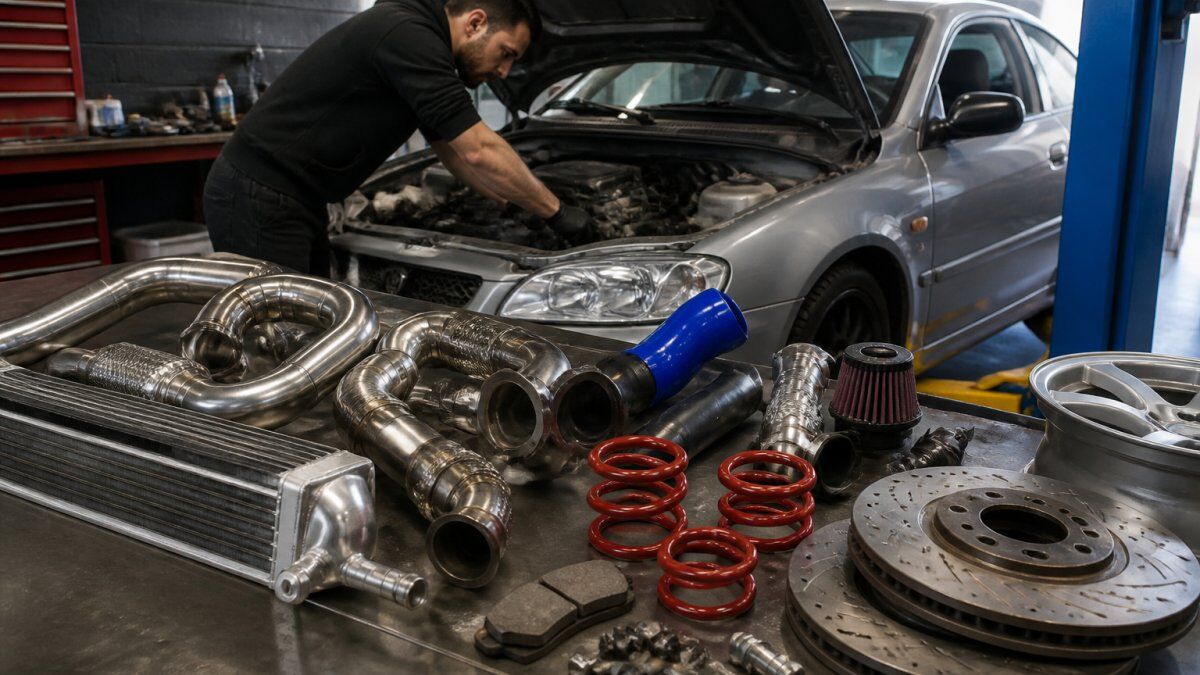
Access Performance Parts: A Specialist Garage Guide
October 15, 2026
Table of Contents
- Understanding High-Quality Vehicle Preparation for Track and Race Use
- Track Car Preparation Checklist: Essential Systems to Inspect
- Best Track Car Upgrades: Prioritising Your Modifications
- Performance Parts and ECU Tuning: Integration and Calibration
- Track Car Maintenance Schedule: Keeping Your Vehicle Race-Ready
- MSA Compliance and Safety Standards
- Working with Experienced Preparation Specialists
- Frequently Asked Questions
Last Updated: October 14, 2026
Understanding High-Quality Vehicle Preparation for Track and Race Use
Vehicle preparation track race work requires a systematic approach that goes far beyond routine maintenance.
Track-ready vehicles demand attention to systems that road cars rarely stress. Brakes face sustained heat cycles. Suspension operates at lateral forces that would destroy road geometry. Fuel systems must deliver consistent pressure under acceleration. Engines run at sustained high RPM.
The foundation of any vehicle preparation track race project is understanding what matters most for your specific use case. A casual track day driver needs different preparation than a club racer competing for positions. Both need different approaches than someone building a dedicated race car.
Track Car Preparation Checklist: Essential Systems to Inspect
Before any modifications, establish what you’re actually working with. A thorough inspection reveals hidden problems that upgrades will expose under track stress. Many teams skip this step and waste money on parts that don’t address their actual limitations.
Brake System and Cooling
Your brakes will see temperatures that turn road brake fluid into vapour.
Brake fluid should be fresh and appropriate for track use. Steel braided lines resist expansion better than rubber under sustained pressure, though this matters more for aggressive driving than casual track days.
Cooling system capacity directly affects how long your brakes remain effective. A car with marginal cooling will see brake fade by lap three. Check coolant condition, hose integrity, and radiator capacity.
Suspension and Steering
Track driving exposes suspension geometry that road driving hides. Worn bushes, loose ball joints, and tired dampers all become obvious when you corner at 1.5G.
Steering must be responsive and consistent. Slack in the steering rack or worn tie-rod ends create unpredictability that no driver can compensate for. Suspension bushes should be firm without visible cracks. Dampers should resist movement smoothly rather than feeling loose or clunky.
Alignment matters enormously on track. Even if your car drives straight on the road, track use demands precise geometry. Camber, toe, and caster all affect how the car handles under load.
Engine and Fuel Systems
Engine condition determines how safely you can run power. Check compression, listen for bearing knock, and verify oil pressure under load. Fuel system pressure must remain stable even under sustained acceleration and cornering. Fuel lines should be secure and free from damage that could cause leaks under vibration.
Oil coolers are common track upgrades because standard systems struggle with sustained running. If your engine runs hot on the road, it will run hotter on track. Fuel system upgrades typically mean higher-quality pumps and better filtration rather than raw capacity increases.
Best Track Car Upgrades: Prioritising Your Modifications
Not all upgrades deliver equal value. The best track car upgrades address your actual limitations rather than chasing popular modifications. Start with what limits your performance, then work down the list.

Suspension and Handling Improvements
Suspension upgrades transform how a car feels on track. Upgraded dampers provide better control over body movement. Stiffer springs reduce body roll. Anti-roll bars sharpen turn-in response. But the sequence matters.
Most track cars benefit from lowering springs paired with appropriate dampers. This improves both handling and aesthetics. Adjustable anti-roll bars let you tune front-to-rear balance without replacing components.
The order matters. Fix geometry first, then upgrade springs, then tune dampers. A common mistake is fitting expensive dampers to a car with worn bushes and misaligned geometry.
Braking System Enhancements
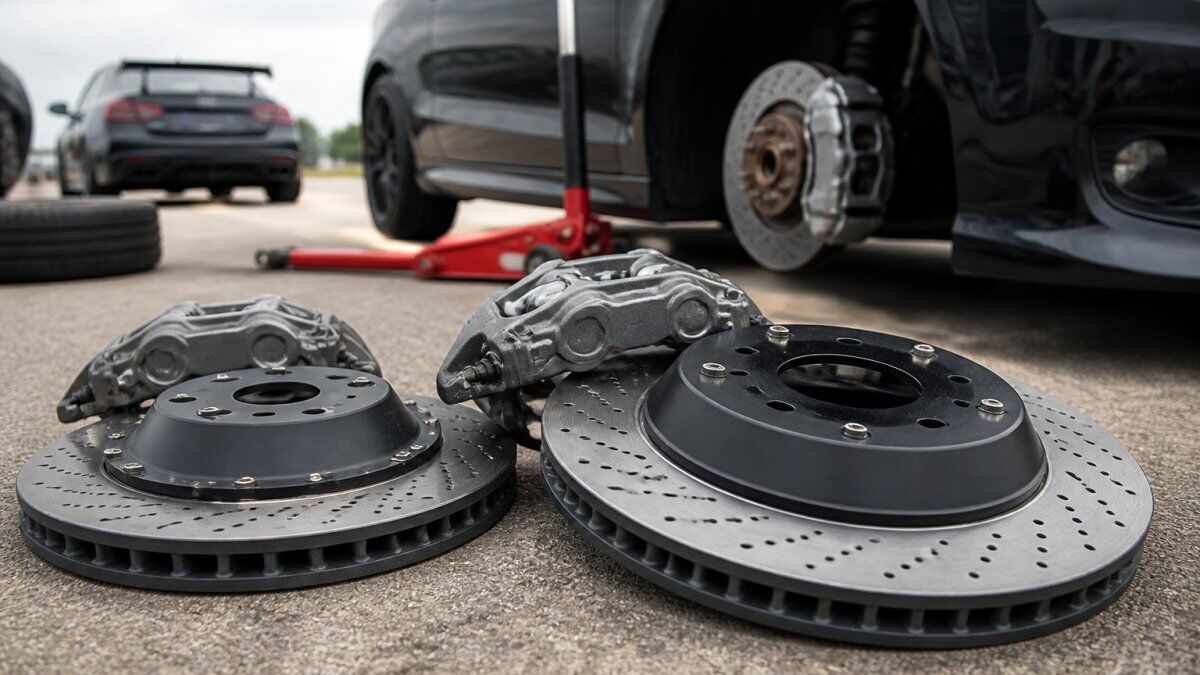
Track braking demands better pads, lines, and often discs. Upgrade pads to a compound rated for sustained heat. Braided brake lines reduce pedal travel and improve feel.
Brake bias adjustment is underrated. Many cars have factory bias that favours front or rear braking. Track driving often benefits from a slight rear bias adjustment to improve stability under braking. This is a cheap upgrade with measurable effects.
Brake fluid should be refreshed before each season and replaced entirely every two years. Track use degrades fluid faster than road driving. Moisture absorption and thermal breakdown both accelerate in sustained high-temperature use.
Aerodynamic and Cooling Upgrades
Aerodynamic upgrades matter more at higher speeds. A casual track day at 100 mph sees minimal aerodynamic effect. A club race at 130 mph sees significant downforce benefit. Assess your likely speeds before investing in wings and splitters.
Cooling upgrades typically mean larger radiators, oil coolers, and better ducting. These deliver consistent benefits regardless of speed. A car that runs cool handles better, brakes better, and lasts longer between failures.
Engine bay ventilation often improves performance. Better airflow into the engine bay reduces under-bonnet temperatures, which helps fuel systems, electrical systems, and engine management stability. This is a subtle upgrade but worth considering.
Performance Parts and ECU Tuning: Integration and Calibration
Adding parts without recalibration leaves performance on the table. A common mistake is fitting upgraded injectors, fuel pump, or exhaust without adjusting engine management. The car runs, but not optimally. True mechanical harmony relies on the integrity of your essential performance parts, which must be kept in peak condition to ensure that every electronic adjustment translates into reliable track speed.
Why ECU Remapping Matters After Part Installation
ECU remapping adjusts fuel delivery, ignition timing, and boost pressure to match your new hardware. A car with an upgraded exhaust but factory mapping runs lean in the new configuration.
Track-focused remapping prioritises response and consistency over raw power. A 10% power increase means little if it comes with unstable fuelling or late ignition timing. Proper calibration ensures your upgrades work together rather than fighting each other.
Remapping also enables features like launch control, flat-shift capability, and anti-wheelspin settings that are valuable on track. These aren’t just power additions. They’re usability improvements that make the car easier to drive quickly and consistently.
Ensuring Integrated Parts Work in Harmony
Parts integration requires planning. Suspension changes affect weight distribution, which affects how the engine responds to throttle input. Brake upgrades change pedal feel, which affects driver confidence and lines. Aerodynamic changes alter how the car rotates mid-corner.
The best approach is to upgrade systems as packages rather than individual components. A suspension upgrade should include dampers matched to springs, bushes refreshed, and geometry reset.
ECU tuning should come last, after all mechanical changes are complete and the car has been tested. This lets the tuner calibrate to the actual hardware configuration rather than guessing at combinations.
Track Car Maintenance Schedule: Keeping Your Vehicle Race-Ready
Track use accelerates wear on every system. A maintenance schedule built for road use won’t catch track-specific problems before they become failures.
Pre-Event Inspection Requirements
Before every track day, inspect brakes, tyres, and fluid levels. Check brake pad thickness and rotor condition. Verify tyre pressures are correct for track use (usually higher than road pressures). Check oil level, coolant level, and brake fluid level. Listen for any new noises during a short test drive.
Suspension should be checked for play and secure fasteners. Steering should feel tight with no slack. Engine should start cleanly and idle smoothly. Fuel system should pressurise immediately without hesitation.
Many failures happen because obvious problems were missed in pre-event rush. A five-minute inspection catches most issues before they cause on-track problems.
Post-Event and Seasonal Maintenance
After each track day, inspect brakes for damage or excessive wear. Check suspension for cracks or bent components. Inspect tyres for damage, uneven wear, or punctures. Change oil and filter if the car ran hard.
Seasonal maintenance should include full fluid replacement, brake system flush, and suspension inspection. Bushes wear faster on track. Dampers lose effectiveness over time. Bearings accumulate damage from cornering loads. Address these before they cascade into larger problems.
Many teams maintain separate track and road setups. This lets you optimise each configuration without compromise. A road car doesn’t need track-focused dampers. A track car doesn’t need road-friendly suspension.
MSA Compliance and Safety Standards
Building a car to Motor Sports Association specifications ensures it meets technical regulations for racing.
Safety equipment requirements vary by competition level. Club racing typically requires helmets, harnesses, and fire extinguishers. Higher-level racing adds roll cages, fuel cells, and additional safety systems.
Many teams work with specialists who understand MSA requirements. This avoids expensive mistakes like building a roll cage that doesn’t meet specifications or installing a fuel cell in the wrong location.
Documentation matters. Keep receipts for all safety equipment, photos of installation, and records of inspection. Technical inspectors want evidence that components meet specifications and are properly installed.
Working with Experienced Preparation Specialists
Building a track car correctly requires expertise. Common mistakes include poor part integration, inadequate cooling, and compliance oversights. Specialists catch these problems before they become expensive failures.
Choosing a specialist matters. Look for experience with your specific car model, understanding of your competition class, and willingness to explain their approach.
The best preparation specialists treat your car as a system rather than a collection of parts.
Building a track car that performs consistently, complies with regulations, and survives competition demands systematic preparation.
Frequently Asked Questions
What should be checked before taking a car on track for the first time?
Before your first track day, inspect brake fluid condition and pad thickness, check tyre pressures and tread depth, verify all suspension components are secure and undamaged, ensure the engine oil and coolant levels are correct, and confirm all fasteners throughout the vehicle are tight. Have the fuel system checked for leaks and confirm the battery is in good condition. Professional pre-track inspection identifies hidden issues that could cause failure mid-session.
Do you need to tune a car after fitting performance parts?
Yes. When you install performance parts such as air intakes, exhaust systems, or turbo upgrades, the engine’s fuel and ignition maps become mismatched to the new airflow and exhaust characteristics. ECU tuning recalibrates these parameters so the engine can deliver the power gains the parts were designed to provide. Without tuning, you may experience poor throttle response, reduced efficiency, or even damage. Integrated tuning ensures all parts work together effectively.
How often should a track car be serviced?
Track cars require more frequent servicing than road vehicles due to higher stress levels. Oil changes should occur every 3,000 to 5,000 miles or before major track events. Brake fluid should be changed every 12 months or before each season, as it absorbs moisture and loses effectiveness. Coolant, transmission fluid, and differential oil need checking and replacement according to a track car maintenance schedule tailored to your specific vehicle and usage intensity. Professional inspection before each event is essential.
Which upgrades should you make first to a track car?
Prioritise safety and control first: upgrade the braking system, install performance suspension, and fit quality tyres suited to track use. These directly affect your ability to stop, corner, and maintain control. Next, address cooling systems to prevent overheating during sustained track use. Engine modifications and aerodynamic upgrades come later, as they enhance performance rather than foundational safety. A structured upgrade plan prevents wasted investment and ensures your car remains balanced and controllable.
Can a standard road car be used for track days?
Yes, many road cars can be used for track days with appropriate preparation. However, standard road cars lack the cooling capacity, brake performance, and suspension tuning that track use demands. Before attending a track day, ensure your road car passes a thorough safety inspection, has adequate brake cooling, and uses appropriate track-day tyres. Check with the track organiser for any specific requirements. Most casual track day participants start with road cars, then gradually upgrade systems as they gain experience.
What makes high-quality vehicle preparation different from basic maintenance?
High-quality preparation involves precision engineering, integrated system tuning, and compliance with motorsport regulations. It goes beyond standard maintenance by optimising every component to work together under extreme conditions. This includes ECU remapping, suspension geometry adjustment, brake system balancing, and thorough safety inspections. Professional preparation specialists understand how modifications interact and ensure nothing is overlooked. The result is a vehicle that performs reliably at the limit, rather than one simply maintained to road standards.
How long does a typical race car build or upgrade take?
Timeline depends on the scope of work. A straightforward suspension upgrade and ECU tune typically takes 2 to 4 weeks. A comprehensive race build involving multiple system upgrades, integration testing, and MSA compliance checks can take 8 to 12 weeks or longer. Delays occur if hidden issues emerge during inspection or if parts require custom fabrication. Experienced preparation specialists provide realistic timelines upfront and communicate openly if complications arise. Clear project planning prevents unexpected delays and cost overruns.
Discover more from
Subscribe to get the latest posts sent to your email.

